Should You Upgrade from Insta360 Go Ultra to Dji Osmo Nano?
Electronics
Introduction
Many content creators, travelers, and casual videographers face a recurring question when they evaluate small action and pocket cameras: is it worth upgrading a compact wearable camera like the Insta360 Go Ultra to a compact gimbal camera such as the Dji Osmo Nano? The answer depends less on brand loyalty and more on concrete use cases: what kinds of footage are being shot, whether audio and low-light performance matter, how important handheld ergonomics are, and how much editing flexibility is required. This article compares the two devices across practical criteria and real-world scenarios so buyers can decide whether an upgrade is warranted.
How each device is positioned
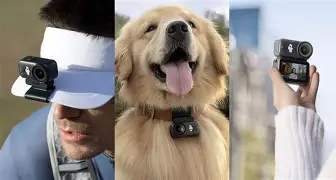
The Insta360 Go Ultra is part of a family of ultra-compact wearable cameras designed for maximum portability and convenience. These devices excel at point‑of‑view (POV) capture, hands‑free mounting, and quick social‑format clips. The Dji Osmo Nano is designed around stabilized, single‑hand shooting with a gimbal or gimbal-like mechanism, prioritizing smooth cinematic motion, better handling, and broader manual control. Understanding those fundamental differences—wearable tiny camera versus handheld stabilized camera—helps frame an upgrade decision.
Detailed product analysis
Form factor and ergonomics
The Insta360 Go Ultra is built to be unobtrusive. It fits in a pocket, can be clipped, magnetically attached, or worn, and it encourages spontaneous capture. This makes it ideal when mobility and discretion are the top priorities: runners, cyclists, commuters, or anyone who wants to document moments without carrying a bigger rig.
The Dji Osmo Nano, by contrast, is a small handheld device with a more deliberate grip and controls. Its form factor supports longer shooting sessions and one‑handed stabilization. The Nano’s ergonomics favor someone who plans to produce longer-form footage, interviews, travel vlogs, or sequences that need precise motion control rather than purely opportunistic POV clips.
Stabilization and motion
Insta360 devices typically rely on software-based stabilization (electronic/image stabilization) combined with clever sensor processing. This works extremely well for quick clips and action shots where weight and mounting versatility matter. Electronic stabilization is efficient and requires no additional mechanical parts.
Dji’s Osmo family emphasizes mechanical stabilization (gimbals) or advanced hybrid stabilization, delivering smoother pans, tilts, and walking shots. For footage intended to look cinematic and for sequences where smooth motion is critical (for example, travel sequences through crowded streets, steady walking vlogs, or product reveal shots), the gimbal‑style stabilization in the Osmo Nano is a significant advantage.
Image quality and low-light performance
Because of its tiny size, the Insta360 Go Ultra trades sensor size and optics for portability. It captures usable, shareable footage in well-lit environments but can struggle in dim light compared with larger sensors. For creators who mostly shoot outdoors during the day or who rely on bright, controlled lighting, the Go Ultra’s output is often more than sufficient.
Looking for the best Electronics deals on Amazon?
See Deals →The Dji Osmo Nano typically houses a larger sensor and optics tuned for better dynamic range and low‑light performance. That advantage becomes visible in indoor events, evening vlogs, restaurants, or poorly lit scenes where noise and compression artefacts otherwise degrade footage. Creators who value cleaner footage under mixed lighting will notice the difference.
Audio and onboard recording
Small wearables often have limited onboard microphones and no easy way to connect external mics. The Insta360 Go Ultra is great for capturing environmental sound and quick voice clips, but it may not meet the needs of interviewers, podcasters, or storytellers who require high-quality vocal capture. Wind noise and distant subjects are common challenges.
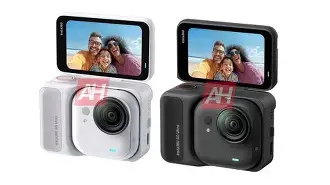
The Dji Osmo Nano is more likely to support better onboard mics and offer accessory ports or compatibility with external microphones (or at least adapters). This makes it a preferable choice for creators who record talking-head segments, interviews, or guided tours where clear speech is essential.
Battery life and media workflow
Ultra-compact cameras advertise convenience, but they often have shorter battery life because of size constraints. Removal and recharging cycles, or a charging case, are typical workflows. The Go Ultra’s quick-swappable approach works well for short, frequent sessions.
The Osmo Nano typically offers longer continuous shooting times, making it better for longer vlogs, event coverage, or day‑long trips where repeated battery swaps are inconvenient. Additionally, the Osmo ecosystem tends to include intuitive mobile apps and desktop workflows for editing stabilized footage, color grading, and exporting multiple formats.
Accessories and ecosystem
Insta360’s ecosystem focuses on mounts, magnetic chargers, and easy-to-use apps geared for rapid editing and social sharing. The magnet and clip system gives creative mounting options for sports and POV shots.
DJI’s ecosystem emphasizes gimbal accessories, microphone adapters, tripods, and advanced app features like subject tracking and exposure control. The Osmo Nano benefits from a broader accessory catalog for creators moving towards more polished production values.
Looking for the best Electronics deals on Amazon?
View Offers →Pros & Cons
Insta360 Go Ultra
- Pros: Extremely portable and discreet; excellent for POV and hands‑free capture; quick to deploy; user-friendly social editing tools; creative mounting options.
- Cons: Limited low‑light performance due to small sensor; shorter battery life for continuous shooting; limited onboard audio quality and fewer options for external mics; stabilization is software-based and can struggle during complex movements.
Dji Osmo Nano
- Pros: Superior mechanical/hybrid stabilization for cinematic motion; generally better low‑light and dynamic range from a larger sensor; more ergonomic for longer shoots; improved audio options and accessory compatibility; richer manual controls and shooting modes.
- Cons: Less discreet and slightly bulkier than a wearable camera; typically higher price point; less convenient for extreme POV mounting; may require more intentional setup and accessory investment to get the most out of it.
Side‑by‑side comparison
| Category | Insta360 Go Ultra | Dji Osmo Nano |
|---|---|---|
| Form factor | Ultra‑compact, wearable, pocketable | Small handheld, gimbal‑style grip |
| Stabilization | Electronic (software) stabilization | Mechanical/hybrid gimbal stabilization |
| Image quality | Good in bright light; limited in low light | Stronger low‑light performance and dynamic range |
| Audio | Basic onboard mic; limited external options | Better onboard mics; usually supports external mic options |
| Battery life | Shorter per session; often uses charging case | Longer continuous shooting times |
| Mounting versatility | Excellent for body, helmet, bike mounts | Good for handheld, tripod, small rig mounts |
| Best for | Spontaneous POV action, social clips | Vlogs, cinematic travel footage, interviews |
Real‑world use cases: who benefits from each?
When deciding whether to upgrade, consider concrete shooting scenarios:
- Outdoor runners, cyclists, and action sports enthusiasts: The Insta360 Go Ultra’s low weight and versatile mounts make it ideal. It can be worn and forgotten until a compelling moment appears. Upgrading to a gimbal handheld may add bulk and reduce natural POV angles.
- Travel vloggers and urban explorers: The Dji Osmo Nano is attractive for creators who want smooth walking shots, cleaner night footage, and a single device that handles B-roll and talking-head segments for a short edit. The ergonomic grip and stabilization reduce post-production effort.
- Event and wedding shooters with limited gear: If the main goal is steady, cinematic clips in mixed lighting, the Osmo Nano’s sensor and stabilization make a visible difference. However, for candid tiny-POV insert shots (dress detail, bouquet close-ups), the Go Ultra has creative advantages.
- Interviewers and educators: Better audio options and manual exposure control on the Osmo Nano favor recorded talks, online classes, or documentary-style interviews.
- Casual social media users: For rapid vertical/horizontal content destined for stories or short reels, the Insta360 Go Ultra’s app-driven workflows and quick capture are hard to beat.
Buying guide: questions to ask before upgrading
Before spending money on an upgrade, answer the following:
- What is the primary use case? If the majority of footage is opportunistic POV or mountable action shots, the Go Ultra might remain the better tool. If the workflow requires smooth cinematic motion, interviews, or better low‑light performance, the Osmo Nano is worth considering.
- How important is audio? If clear vocal capture is essential, prioritize the device with better mic support or the ability to connect an external microphone. External mic compatibility often tips the scales in favor of a gimbal/handheld unit.
- Does battery life matter for extended shoots? For multi‑hour events or daylong vlogging, devices with longer continuous battery life are preferable. Consider whether swapping batteries or carrying power accessories is acceptable.
- How much editing time is available? Devices that produce smoother, cleaner footage reduce the time spent stabilizing, denoising, or fixing motion artifacts in post. If editing time is limited, invest in a camera that minimizes required corrections.
- Is portability non-negotiable? If a pocketable device that can be worn and ignored is critical, stick with the lighter wearable. If a slightly larger device that delivers more polished footage is acceptable, upgrading may pay dividends.
- Are accessories and ecosystem important? Consider the availability and cost of mounts, mics, ND filters, and replacement batteries. A richer ecosystem can save time and enhance results over the long term.
- Budget and value: Evaluate the total cost of ownership, including accessories. An upgrade becomes compelling when the new device meaningfully improves the content or reduces production friction.
When upgrading makes the most sense
An upgrade from the Insta360 Go Ultra to the Dji Osmo Nano makes sense if the current limitations affect production quality or workflow efficiency. Typical upgrade triggers are:
- Consistent frustration with low‑light noise or limited dynamic range that undermines footage quality.
- Need for smoother motion and a cinematic look without heavy stabilization work in post.
- Desire to record clearer audio with onboard or external microphones.
- Longer single‑session shoots where battery life on the smaller wearable becomes a liability.
- Intent to scale up production quality for monetized content, client work, or more involved storytelling.
When keeping the Insta360 Go Ultra is the better choice
Retaining the Insta360 Go Ultra remains perfectly reasonable for creators who prioritize portability, hands‑free shooting, and fast social sharing. If the current content mostly appears on short‑form platforms, or the wearer prefers the freedom of POV mounting on bikes, helmets, or chest rigs, there is no technical requirement to upgrade.
Practical tips for a smooth transition (if upgrading)
- Plan the accessory list: Invest in a small tripod, a wind muff for the mic, and a couple of spare batteries. A gimbal case and a small clamp or cold‑shoe adapter ease versatile mounting.
- Learn the app and manual controls: Spending time with exposure, white balance, and subject‑tracking modes pays off quickly and reduces heavy grading later.
- Maintain a hybrid workflow: Keep the Insta360 for POV or micro insert shots even after buying the Osmo Nano—the devices complement each other.
- Test multi‑camera sync: For continuity between devices, create a short clapper or slate action to help align footage during editing.
Conclusion
Upgrading from the Insta360 Go Ultra to the Dji Osmo Nano is a tradeoff between ultimate portability and improved image, audio, and stabilization capabilities. The right decision aligns with the user’s dominant shooting scenarios. For spontaneous, hands‑free capture and extreme portability, the Go Ultra remains the superior everyday tool. For creators seeking smoother cinematic motion, better low‑light performance, and stronger audio options—especially for vlogs, interviews, and longer shoots—the Osmo Nano offers clear advantages.
Ultimately, the practical approach is to evaluate whether the current camera is limiting the content that can be produced. If constraints in image quality, motion smoothness, or audio quality regularly force compromises, the upgrade will likely pay for itself in saved editing time and better final results. If not, keeping the wearable and augmenting it with simple accessories or a secondary device may be the most cost‑effective strategy.