Spec Battle: Asus Chromebook Cx15 vs Acer Aspire Go 15 — Is It Worth Upgrading?
When shopping for a 15-inch laptop in 2026, buyers frequently face two different philosophies: a Chrome OS-leaning device built for web-first workflows, and a Windows-centric machine designed for wider compatibility and heavier local workloads. The Asus Chromebook Cx15 and the Acer Aspire Go 15 sit squarely in that crossroad. At first glance both target productivity on a larger screen, but they offer distinct value propositions depending on what a buyer actually needs. This comparison explains the real-world trade-offs, highlights what to check in typical configurations, and helps readers decide whether an upgrade makes sense.
At a glance: what each model stands for
Asus Chromebook Cx15 is positioned as a mainstream 15.6-inch Chromebook with a focus on durability, battery life, and a clean, browser-centric experience. It appeals to students, educators, and users who predominantly work in web apps, streaming media, and light Android applications.
Acer Aspire Go 15 is marketed as a mainstream Windows laptop in the 15-inch segment that aims for broader software compatibility, better local application performance, and more flexible storage and port options. It typically targets professionals and home users who need Windows-only programs, multitasking with native apps, or occasional content creation.
Detailed product analysis
Design and build
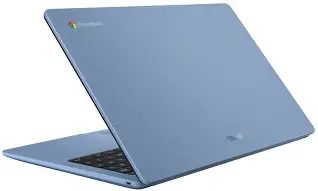
Both lines are built to be approachable rather than premium showcase pieces. The Asus Chromebook Cx15 often uses a matte plastic or aluminum hybrid chassis that prioritizes weight control and cost efficiency. The hinge and overall structure are generally sturdy for daily carry but not designed for heavy drops or extreme toughness.
The Acer Aspire Go 15 usually follows a similar design language but with slightly more emphasis on thermal headroom: the chassis tends to be a hair thicker to accommodate better cooling for higher-performance CPUs. That can mean a modest weight penalty compared to some Chromebook configurations, but it also opens up options for discrete storage and sometimes a wider variety of ports.
Operating system and daily use
This is where the biggest practical difference lies. The Chromebook Cx15 runs Chrome OS, which is optimized for web applications, progressive web apps (PWAs), and Android apps from the Play Store in many models. For users whose daily workflows revolve around Google Workspace, collaborative editing, video calls through the browser, and streaming, Chrome OS provides a fast, low-friction experience with simplified maintenance and fewer security headaches.
The Aspire Go 15 runs Windows (Windows 11 or newer across current shipments), which maintains full compatibility with legacy desktop software — from productivity suites to specialized engineering, finance, or media applications. For users who rely on native Windows apps, need offline compatibility with complex software, or want broader gaming and creative tool support, the Aspire line is the safer choice.
Performance and configurations
Both products are offered in a range of configurations. The Asus Chromebook Cx15 is commonly seen with energy-efficient Intel or ARM-based processors that prioritize battery life and low thermals. Paired with 8GB or sometimes 16GB of RAM and modest internal storage (eMMC or NVMe SSD depending on trim), it handles browser tabs, video conferencing, and light photo editing comfortably. The Chrome OS approach also helps extend fluid performance by offloading some storage and services to the cloud.
The Acer Aspire Go 15 spans a wider CPU spectrum: from lower-power Intel or AMD mobile chips suitable for casual use, to higher-clocked Intel Core or AMD Ryzen mobile processors for heavier multitasking. RAM options commonly start at 8GB and can go to 16GB or more in higher trims, and storage tends to be NVMe SSDs at larger capacities. That makes the Aspire better suited to raw local performance, larger local file workloads, and applications that expect native Windows APIs.
Display and media
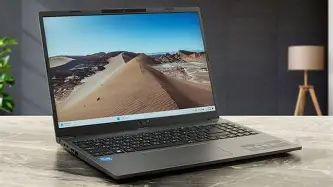
Both laptops generally offer 15.6-inch Full HD displays as the baseline. The Asus Chromebook Cx15 often focuses on balanced color and good viewing angles for document work and streaming. The Aspire Go 15 frequently offers optional brighter panels, touchscreen variants, and higher-refresh options in some trims, which appeal to those doing light editing, sketching with touch, or looking for snappier UI feel in Windows.
Shop the latest Laptops & Computers picks on Amazon.
Browse Now →Keyboard, trackpad, and webcam
For many buyers the typing experience is critical. The Cx15 usually includes a roomy keyboard with Chromebook-specific keys (search, brightness, window switcher), decent key travel, and a responsive trackpad tuned for Chrome OS gestures. The Acer Aspire Go 15 tends to have a more traditional Windows layout, larger keycaps in some models, and tactile feedback tailored to longer typing sessions. Webcam quality remains modest on both, but models with improved IR cameras or higher resolution webcams appear in some sales cycles.
Battery life and thermals
Chromebooks are typically optimized for longer battery life because Chrome OS is lightweight, so the Asus Chromebook Cx15 often achieves longer on-paper runtimes under web browsing and media playback. The Aspire Go 15's battery performance depends more on the configuration — lower-power variants can match the Chromebook, while higher-performance models usually trade battery for better sustained CPU performance and heavier workloads.
Ports, expandability, and repairability
Both laptops usually offer a sensible mix of USB-C, USB-A, and a headphone jack; HDMI and SD card readers may or may not be present depending on the specific trim. The Chromebook sometimes limits internal expandability to a single storage slot or soldered RAM in certain SKUs, whereas many Aspire models provide easier access to SSD and RAM upgrades, which matters for buyers who plan to keep a device for multiple years.
Pros & cons
Asus Chromebook Cx15
- Pros: Lightweight Chrome OS experience, typically longer battery life under web workloads, fast resume from sleep, simple maintenance and automatic updates, good value for browser-focused users.
- Cons: Limited compatibility with Windows-native software, lower internal storage capacity on some trims, upgradeability may be restricted, offline capability for certain professional apps is limited.
Acer Aspire Go 15
- Pros: Broad software compatibility with Windows, more powerful CPU options for multitasking, easier upgrade paths for RAM and storage in many models, wider peripheral and accessory support.
- Cons: Heavier models can be bulkier, battery life varies significantly by configuration, potentially higher cost at similar build levels, more ongoing maintenance (Windows updates, antivirus considerations).
Side-by-side comparison table
| Category | Typical Asus Chromebook Cx15 | Typical Acer Aspire Go 15 |
|---|---|---|
| Operating System | Chrome OS — web-first, Android app support in many SKUs | Windows — full desktop app compatibility |
| Performance | Energy-efficient processors, smooth for browser tasks and light apps | Broader CPU range, from efficient to higher-performance mobile chips |
| Memory & Storage | Typically 8–16GB RAM, 64GB eMMC to NVMe SSD depending on model | Commonly 8–16GB (upgradeable), NVMe SSD options with larger capacities |
| Display | 15.6" FHD common; balanced color and viewing angles | 15.6" FHD baseline; touch and brighter panel options available |
| Battery Life | Usually longer in web-centric use (all-day in light use) | Varies; efficient SKUs comparable, performance SKUs shorter |
| Ports & Expandability | USB-C/USB-A common; upgradeability limited on some SKUs | Usually more ports; many models allow easier RAM/SSD upgrades |
| Weight & Portability | Generally lighter, favoring mobility | Varies; thicker chassis on performance models |
| Best for | Students, web workers, light media consumption, users wanting simplicity | Professionals needing Windows apps, multitaskers, light creators |
Real-world use cases and buyer concerns
Students and educators
For classroom work, the Chromebook Cx15 offers straightforward management (especially in school-managed deployments), long battery life for full school days, and low maintenance. If the program relies on Windows-only tools — for example, certain engineering or desktop publishing applications — the Acer Aspire Go 15 will be necessary.
Remote workers and hybrid professionals
Remote knowledge workers who use web-based collaboration tools will find the Chromebook faster to keep secure and updated. However, if a job requires Windows-native client software (virtual meeting tools with advanced features, corporate VPNs, or custom internal utilities), Aspire's Windows environment is a better fit.
Content creators and hobbyists
Light photo editing, content organization, and simple video editing can be accomplished on both platforms, but heavy image and video production benefit from the Aspire's more powerful CPUs, larger local storage, and wider software availability. Chromebooks can be paired with cloud-based creative tools, but offline, high-res workflows are more comfortable on Windows hardware.
Travelers and commuters
Chromebook Cx15 configurations are often lighter and achieve multi-day uptime for document tasks and streaming, making them appealing for frequent commuters. Aspire models optimized for efficiency can be competitive, but performance-oriented trims will trade battery life for power.
Buying guide: what to check before upgrading
1. Identify primary workflows
List the specific apps and tasks the device must handle. If those apps are web-based or available as Android apps, Chrome OS will probably suffice. If core workflows require Windows desktop applications, upgrade to a Windows machine.
2. Choose the right CPU and RAM
For multitasking and future-proofing, prioritize more RAM (16GB is a practical sweet spot for many power users on Windows). On Chrome OS, 8GB can be sufficient for most users, but those who keep dozens of tabs open and work with Linux containers or Android dev tools should consider higher RAM options when available.
Looking for the best Laptops & Computers deals on Amazon?
View Offers →3. Storage and expandability
Chromebooks historically ship with smaller local storage because cloud storage is expected; confirm storage type (eMMC vs NVMe). If local large file storage or offline media editing matters, a Windows Aspire with an NVMe SSD and upgrade slot will be more practical.
4. Display and color accuracy
Look for IPS panels with at least 250–300 nits for good indoor brightness. For photo or video work, check color gamut specs (sRGB coverage). Touch is a useful feature for Windows tablets and hybrid workflows, but it adds cost and sometimes reduces battery life.
5. Ports and accessories
Verify the presence and type of ports: HDMI for external displays, full-size USB-A for legacy peripherals, and at least one USB-C with Power Delivery if the buyer wants modern charging and docking. Consider whether the laptop will be used with external monitors, docks, or specific peripherals.
6. Battery life expectations
Validate battery life based on usage: web browsing and document editing yield higher runtimes than running local productivity suites or video editing. Manufacturer claims are often measured under specific conditions; third-party reviews and real-user reports provide better context.
7. Warranty, support, and total cost of ownership
Windows devices may require more maintenance (antivirus, drivers, occasional OS troubleshooting) than Chromebooks, which are designed for minimal user maintenance. Consider warranty coverage and the ease of repair or upgrade, especially if the buyer plans to keep the laptop for several years.
8. Resale and longevity
Assess upgradeability (RAM and storage), which affects longevity. Chromebooks receive automatic OS updates for a finite period (check the Auto Update Expiration policy for the specific model), which can limit long-term software feature support. Windows devices can be updated but may require hardware upgrades to stay performant for a longer horizon.
When an upgrade makes sense
Upgrading from an older 13–14 inch laptop to either a 15-inch Asus Chromebook Cx15 or an Acer Aspire Go 15 makes sense when the buyer needs a larger screen for multitasking, prefers a full-size keyboard, or wants better battery life or performance than their current device. Choose the Chromebook when simplicity, security, and cost-efficiency for web-centric tasks are priorities. Choose the Aspire when native Windows compatibility, local performance headroom, and upgradeability are more important.
Conclusion
The Asus Chromebook Cx15 and the Acer Aspire Go 15 answer different user priorities in the same size class. For buyers who live in the browser and value simplicity, low maintenance, and long battery life, the Chromebook is a compelling, practical upgrade. For users who need Windows-only applications, more local performance, or the ability to expand storage and memory later, the Aspire Go 15 provides a more flexible platform. Ultimately the decision boils down to the apps and workflows the user cannot live without: match the operating system and configuration to those needs, and the upgrade will be worth it.